
The Robotics Platform Behind the Next Generation of Warehouse & Fulfillment Automation
PickNik provides the robotics software, expertise, and proven process to take your warehouse automation system from concept to production faster.


Your autonomous warehouse system must work safely and consistently across diverse SKUs, dynamic order flows, and real-world operating conditions.
PickNik helps robotics teams build production-ready logistics systems that adapt, scale, and perform in high-throughput, hard-to-automate environments.
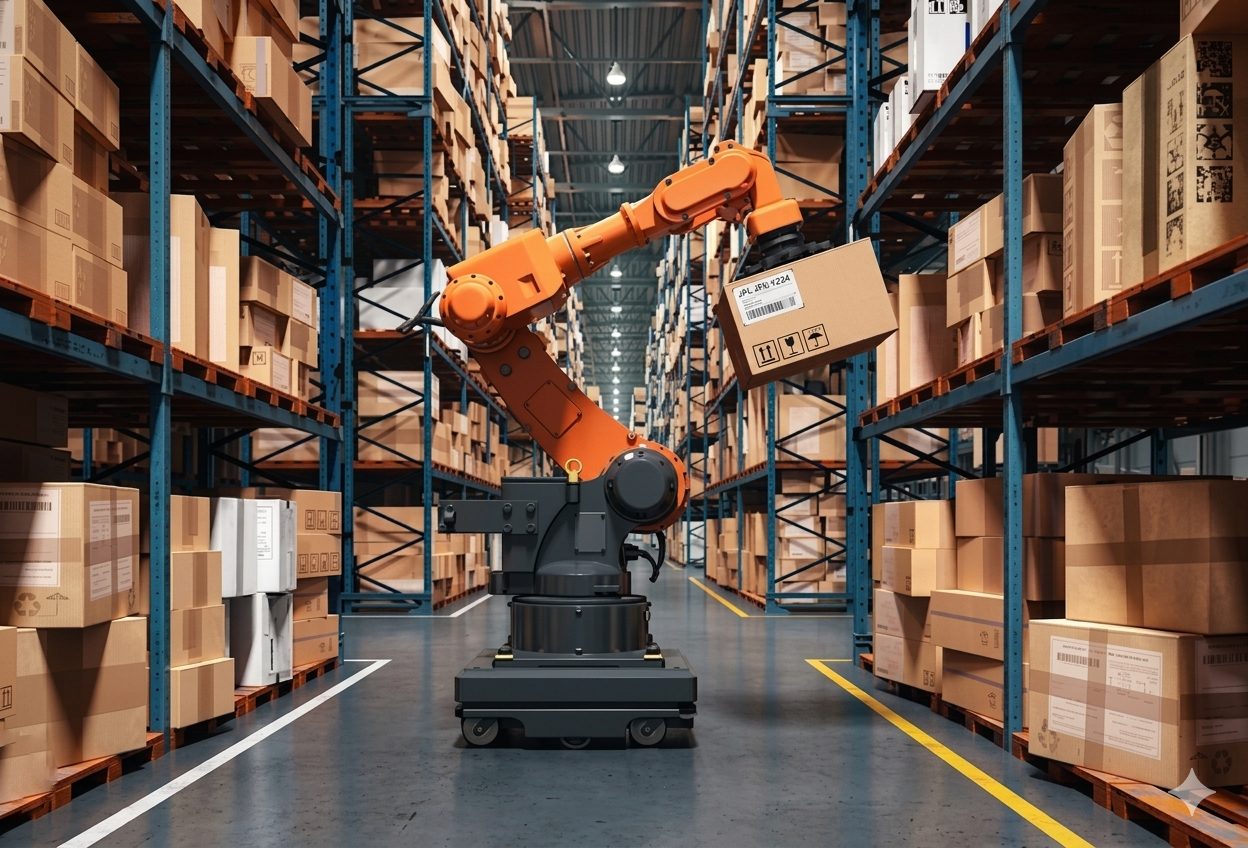
Robots that Work in the Real World

Unpredictable environments
Items vary order to order. Packaging, shapes, and conditions change. Layouts evolve, and workflows shift with demand. Operators adapt in real time while throughput expectations remain high.

Consistent, repeatable results
For fulfillment operations to succeed, systems must deliver consistent, repeatable results while adapting to SKU variability, dynamic order flows, and real-world operating conditions, not controlled demos.

Built for production from day one
Reliable warehouse systems depend on intelligent motion, perception, and system integration; built with a development approach designed for flexible, production-ready deployment from day one.
What PickNik Enables
PickNik provides the robotics foundation behind production-ready warehouse and fulfillment operations.
Our software, expertise, and proven process help teams move beyond prototypes and deploy robotics in distribution centers.

Safe, adaptive robot motion in dynamic, high-variability warehouse environments.

Consistent and repeatable performance across diverse SKUs, workflows, and fulfillment operations.

Faster paths from concept to deployment that reduce technical risk in hard-to-automate warehouse applications.
Warehouse Automation & Fulfillment Applications Built with MoveIt™ Pro
PickNik supports a broad set of high-variability, hard-to-automate workflows, including:
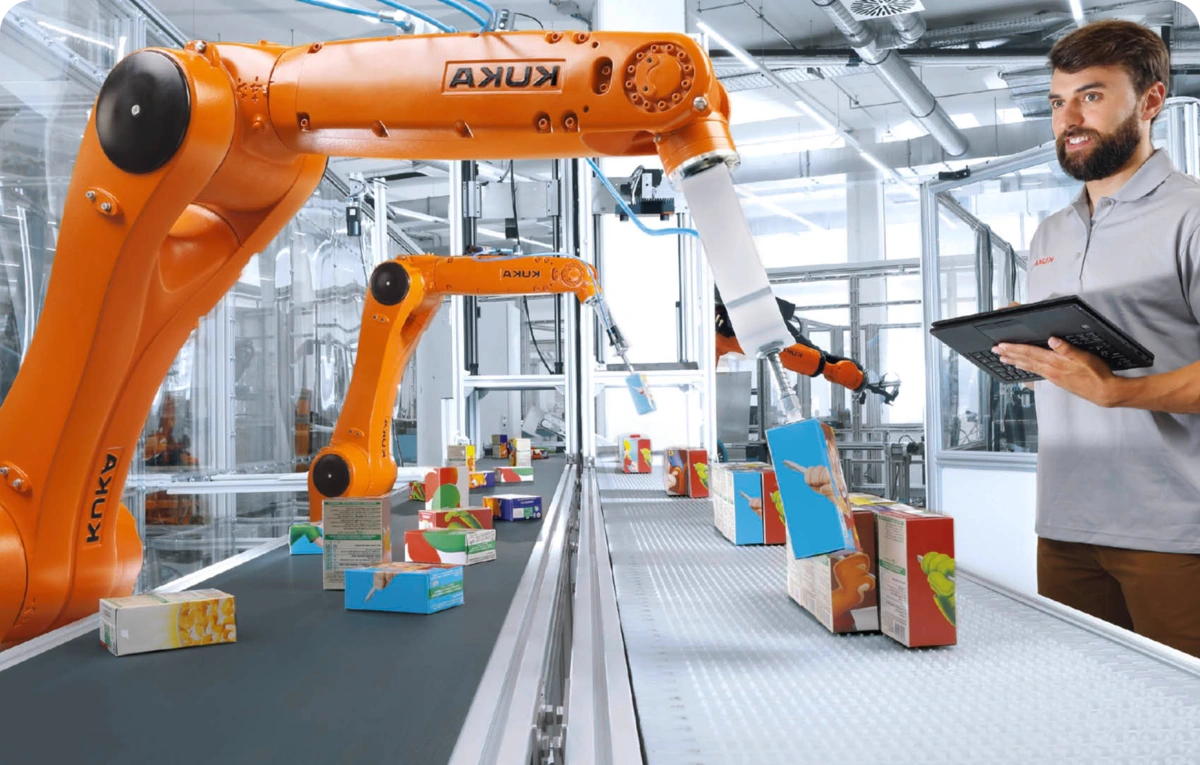
Piece Picking & Order Fulfillment
Automate picking of individual items across diverse SKUs, packaging types, and storage configurations with systems that adapt to variability, perception challenges, and dynamic order requirements.
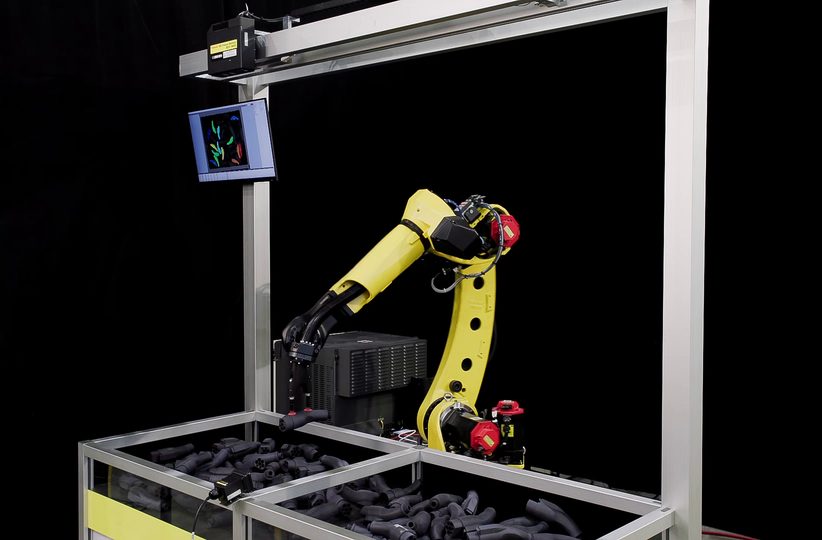
Parcel Handling & Sortation
Build robotic systems for induction, singulation, and sorting that handle mixed parcels, variable packaging, and high-throughput operations while maintaining accuracy and flow.
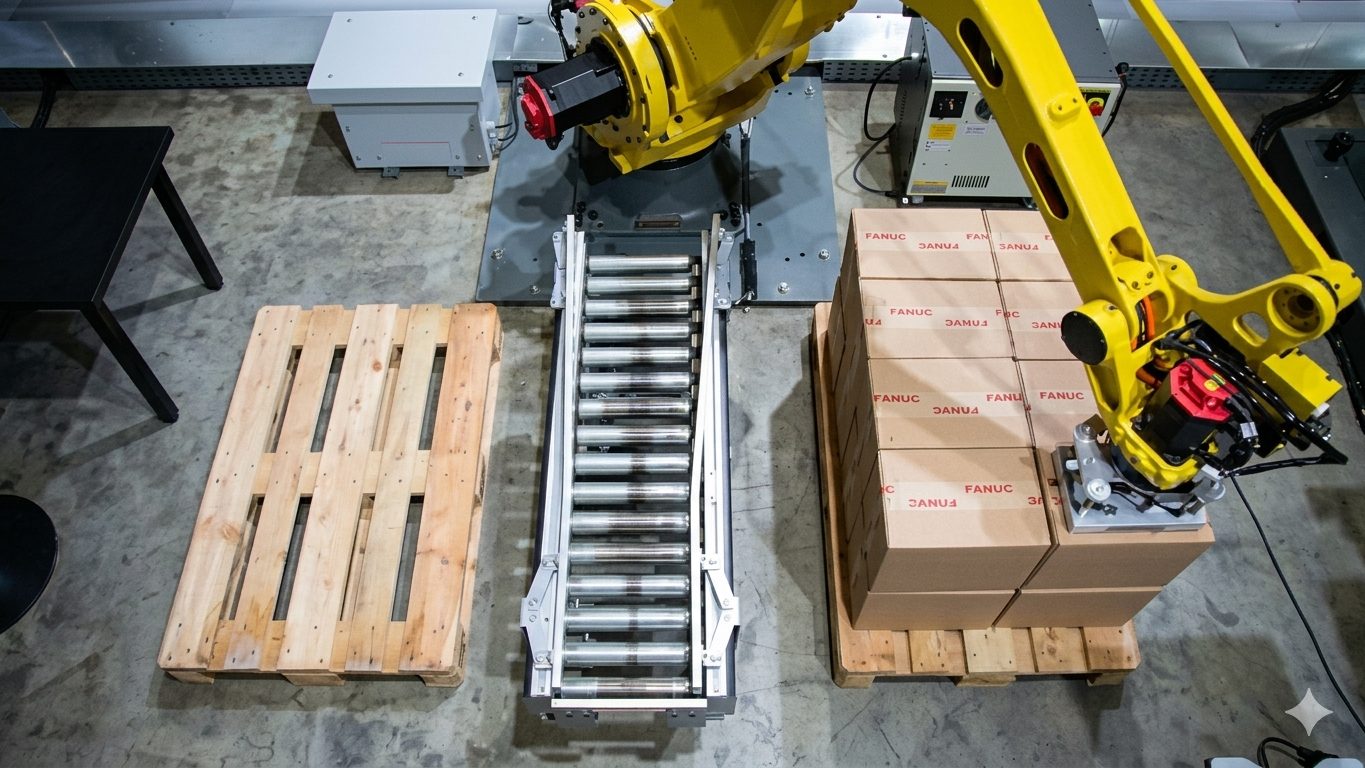
Palletizing & Depalletizing
Enable flexible robot workflows that build and break down pallets across mixed SKUs, unstable loads, and changing configurations — without rigid programming or fixed patterns.
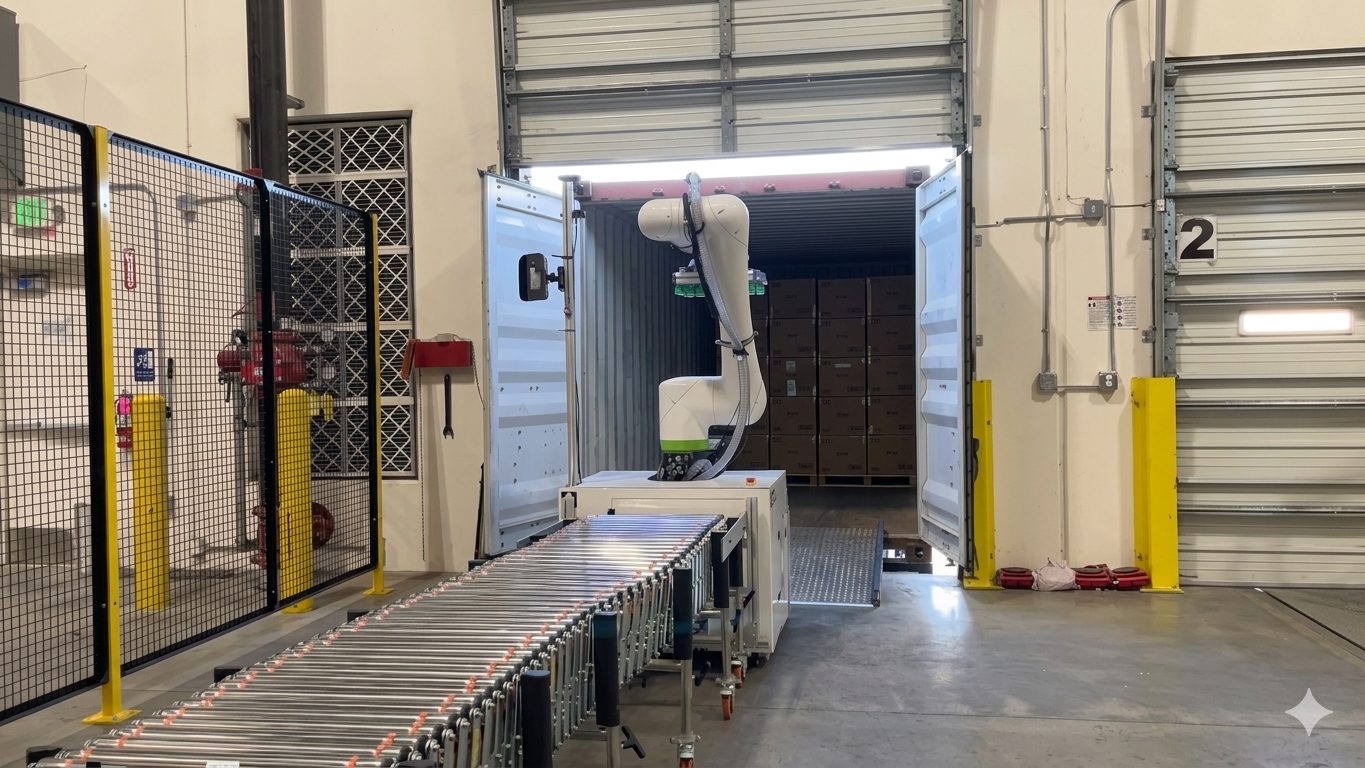
Truck Loading & Unloading
Power robotic systems that load and unload trailers in real-world conditions, handling variability in package types, stacking patterns, and trailer layouts while reducing manual labor.
Why Teams Build Warehouse Automation Solutions for Fulfillment Operations with PickNik
Building reliable warehouse automation systems requires more than hardware — it demands software, motion intelligence, and a proven path to deployment.
Teams choose PickNik because we provide:
A robotics foundation designed for high-SKU variability and dynamic fulfillment workflows
Technology proven in real-world fulfillment operations — not controlled demos
A scalable approach from first deployment to multi-site rollouts
Deep robotics expertise and hands-on support for complex integration challenges

Build with Confidence
Whether you're developing a new warehouse robotics system or expanding existing automation, PickNik helps you move faster and reduce risk in high-variability, real-world fulfillment operations.
Talk to Us
PickNik does not build robots. We provide the software, expertise, and development support behind robotic warehouse and fulfillment systems built by our customers and partners.
One Robotics Foundation, Multiple Industries
The same PickNik platform used to enable warehouse and fulfillment center solutions is trusted across manufacturing, assembly, defense, sanitation, and other demanding automation environments — where safety, reliability, and scalability are non-negotiable.


Frequently Asked Questions
One PickNik customer had deep expertise in their warehouse operations but no in-house robotics team. Rather than spending years building motion planning, perception, and autonomy software from scratch, they partnered with PickNik and focused on what they knew best: their application and fulfillment workflows.
PickNik provided the robotics foundation. The result was a production-ready system deployed in under 12 months, capable of handling real-world SKU variability with consistent, repeatable performance.
Building a production-grade robotics stack from scratch typically takes years and requires a team of specialized engineers, including motion planning experts, perception engineers, and controls specialists who are expensive and hard to hire.
MoveIt Pro gives you that foundation on day one. You're not reinventing core robotics capabilities — you're applying them to your specific warehouse workflows, where your competitive advantage actually lives.
Yes, that's often the best stage to engage. PickNik offers a Solution Study as a low-risk starting point: a structured assessment of your application, environment, and hardware that produces a clear feasibility roadmap. It answers the question "can this be built, and what would it take?" before you commit to full development. Many of PickNik's most successful customer relationships started at exactly this stage.
That's precisely the category of problem MoveIt Pro was designed for. Many warehouse environments involve SKU variability, mixed packaging, dynamic layouts, and conditions that break traditional automation approaches. PickNik has helped customers deploy systems in these kinds of high-variation, real-world fulfillment operations.
This is often referred to as unstructured robotics — environments that are dynamic, variable, and not perfectly controlled. It's PickNik's core specialty, not an edge case.
The honest answer is that it depends on application complexity, SKU variability, item handling requirements, hardware, and how far along you already are. The best starting point is a Solution Study, which scopes your specific warehouse application and provides a clear cost picture before any major commitment.
What most customers find is that the build-vs-buy math strongly favors partnering with PickNik. The alternative is hiring a full robotics team for several years before you have a production-ready system.
Yes. MoveIt Pro is designed to scale. The same software platform that powers a single pilot system supports deployment across multiple sites, facilities, and distribution centers.
PickNik has helped teams move from initial prototypes to production systems operating in real-world warehouse environments. The platform grows with your operation, without requiring a complete rebuild as you scale.